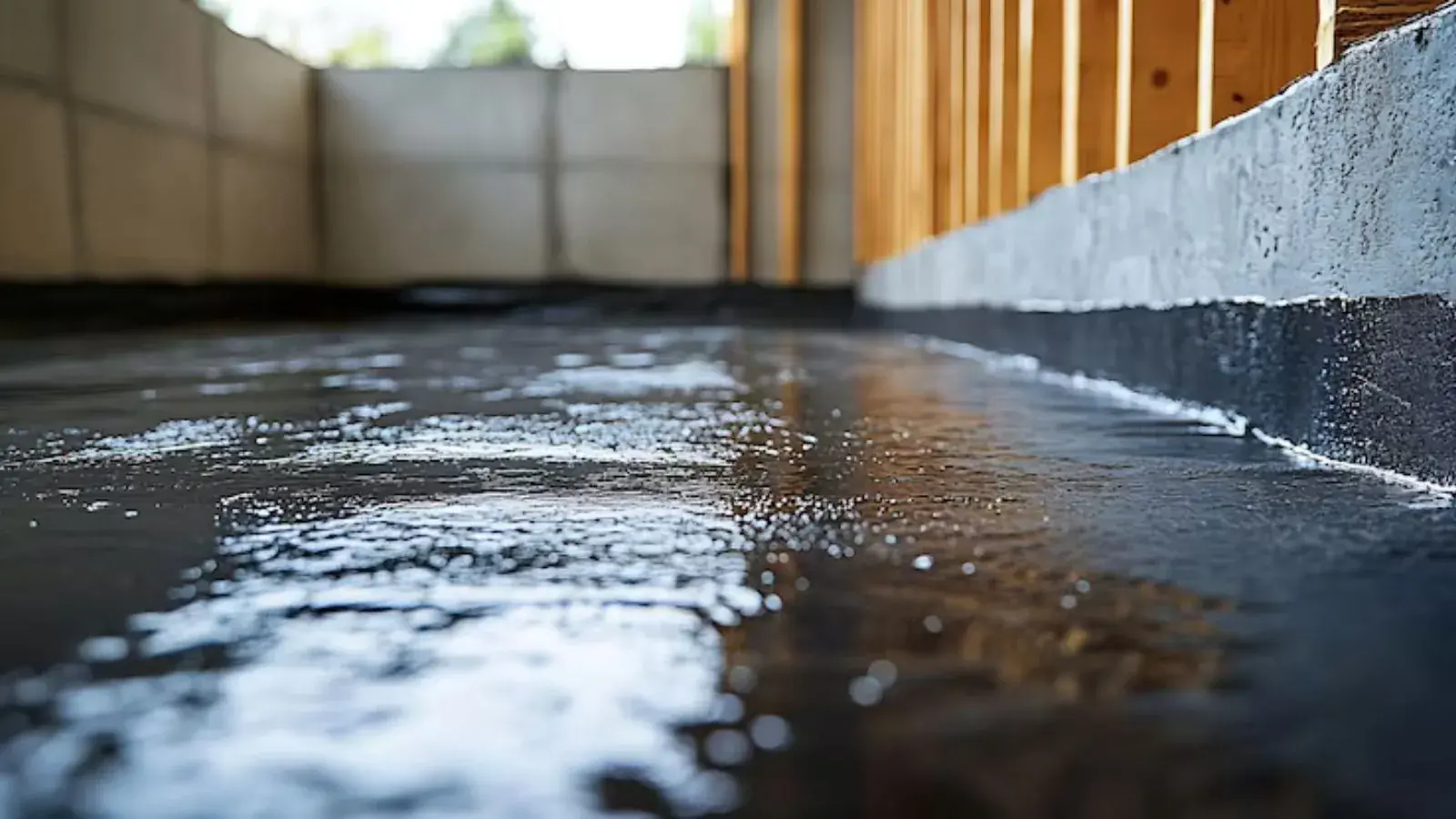
Most wet basements have a simple story behind them, and the fix depends on getting that story right. Before we recommend any system, we work out whether water is coming through the floor, the walls, a window well or a pipe.
That first question matters because the repairs are very different. A leaking pipe calls for leak detection, groundwater needs drainage, and a damp feel in humid weather may not be a leak at all. Skipping the diagnosis is how people end up paying for the wrong system.
When Water Is Already on the Basement Floor
If water is on the floor now, deal with safety before the repair. Stay off wet floors near the panel, move belongings up, and shut off power to the affected area if it can be done safely. If the pump has stopped, call about sump pump repair right away, because that is the quickest way to stop an active flood.
For an active problem, call us and we will schedule a same-day visit when the schedule allows. Waterproofing itself is planned work, but we do take after-hours calls when a pump fails or a pipe lets go, and we help you hold the damage until the real fix.
Where basement water really comes from
| What you see | Likely source | Typical direction |
|---|---|---|
| Water along the wall and floor joint after rain | Groundwater pressure at the footing | Interior drain tile and sump |
| Wet spot in the middle of the floor | Rising water table or a floor crack | Sump pit, crack injection or both |
| Water below a window | Window well fills and overflows | Clear or add drains, cover the well |
| Wall wet only on one side | Downspout or grading dumps water there | Extend downspouts, regrade |
| Musty smell, no standing water | Humidity or condensation | Dehumidifier, ventilation |
| Wet spot with no rain | Plumbing leak or supply line | Leak detection and repair |
Look at when it happens. Water that shows up only during heavy rain points to drainage around the house, while water that shows after a dry spell points to plumbing. Notice where the stains sit, since white, chalky powder on block walls is mineral residue from moisture passing through.
Interior drain systems, sump pits and why they work together
An interior drain system is a channel cut along the inside edge of the basement floor, with perforated pipe set in gravel. It catches water that comes in at the wall and floor joint and carries it to a sump pit, where a pump sends it outside. It works with the water, not against it.
This approach is common because it can be done from inside, with no digging up the yard. The pump is the weak point, so a battery or water-powered backup deserves thought, and it is covered on our sump pump page. Interior systems manage water that gets in, and they do not keep it from reaching the wall.
Exterior waterproofing versus interior drains
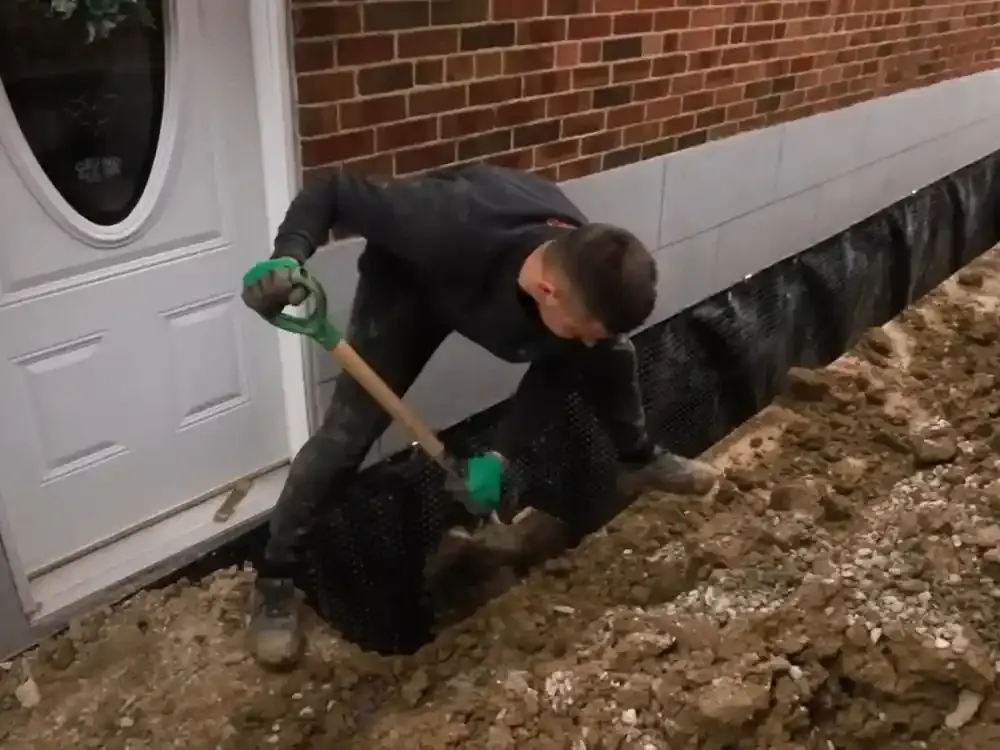
Exterior work excavates down to the footing, repairs the wall surface and drain tile outside, and backfills. It addresses the water before it enters, but it is far more disruptive and costly, and it is not practical against a patio, deck or tight lot line.
For many homes the interior drain and sump is the sensible choice, while the exterior route fits a wall that is failing badly. We will say which seems to fit once we see the basement.
Cracks, window wells and the outside of the house
A crack in a poured concrete wall can be sealed by injecting epoxy or polyurethane, which fills the crack from inside. Injection works well on a stable, hairline crack. A crack that is widening, stair-stepped in block, or bowing the wall is a structural issue, and a structural engineer or masonry contractor should look at it first.
Window wells fill with leaves and rain. A well with a clogged bottom and no drain lets water stand against the glass. Clearing the gravel, adding a cover and tying the well to the foundation drain are common fixes.
Grading and gutters often decide everything. Soil should slope away from the foundation, and downspouts should discharge several feet from the wall. Freeze and thaw cycles in the south suburbs crack soil and open gaps beside the house, so what looks fine in summer can leak in early spring.
Using Park Forest programs to keep rain away from the house
The Village of Park Forest's flooding page describes urban flooding as water that cannot soak in as fast as it falls, with sewers unable to handle the runoff. The Village points residents to downspout extensions, rain barrels, a rain garden incentive and permeable pavement. Each one slows water at its source, which reduces what the foundation has to resist.
Take one practical step from that guidance. Walk the outside during rain and watch where water pools. A downspout that dumps beside a corner is a better first fix than any interior system.
Humid basement or leaky basement?
A basement can feel damp without any leak. Warm summer air hits cool concrete, condenses and leaves a clammy feel and a musty smell. Tape a square of foil to the wall for a day. Moisture on the room side means humidity, and moisture under the foil means water is passing through.
If the wet spot hugs the wall and also appears in a dry spell, we check supply and drain lines. A failing floor drain or sewer problem can also look like seepage, and a sewer line cleaning or camera visit may find it.
What we handle and what needs another trade
We are plumbers, and we say so plainly. We diagnose water entry, install drains, sumps, pumps and discharge lines, and trace plumbing leaks. Structural wall repair, masonry rebuilds, grading with heavy equipment and mold remediation may need other specialists, and we will tell you when we reach that line.
Permits matter on this kind of work. The Village of Park Forest requires all contractors to be Park Forest licensed and adopts the Illinois State Plumbing Code, and drain and sump work can need a permit. Ask us and we will tell you what the Building Department expects.
What affects the cost of basement waterproofing
Source of the water
A downspout fix costs far less than an interior drain system, and an exterior excavation costs the most.
Linear feet of drain
The length of perimeter drain to cut and the number of walls affected drive labor and materials.
Sump pit and pump
Pit depth, pump size and any battery or water-powered backup change the equipment and installation time.
Floor and wall condition
Finished basements, tight access and cracked or bowing walls add work and may involve another trade.
Discharge and site
A long discharge run to the yard, a short lot or the need for permits adds to the job.
Insurance often covers sudden water damage but may not cover groundwater seepage unless you added a water backup endorsement, so read your policy. Permits depend on the scope of drain and sump work. Call (855) 575-2890 and we will walk through your basement and give you a real number.
Get Your Real NumberQuestions we hear
Heavy rain raises groundwater and saturates the soil, which pushes water through the floor and wall joint, cracks and window wells. Poor grading and downspouts that empty beside the house make it worse. We start by finding the entry point.
For most homes an interior drain and sump is more practical, since it works from inside without digging the yard. Exterior work stops water at the wall but costs more and disrupts the yard. We recommend after seeing how water enters.
Only if the water enters through the floor or drain tile. A pump without a drain system may do little against wall seepage. A sump pump also cannot stop a sewer backup through a floor drain.
We can often inject a stable hairline crack. If the crack is widening, stair-stepped or the wall is bowing, a structural engineer or masonry contractor should see it first.
Tape a piece of foil to the wall for a day. Moisture on the outside of the foil means humid air, while moisture underneath means water is coming through the wall.
Call us. We schedule same-day visits when available and take after-hours calls for failed pumps and burst pipes. Waterproofing is planned work, but we can help stop the active water first.
Standards and sources
Written by the Park Forest Express Plumbing team. Plumbing work in Illinois follows the Illinois Plumbing Code, 77 Ill. Adm. Code 890, which the Village of Park Forest adopts. The Village Building Department states that contractors must be Park Forest licensed and that a permit is required. You can confirm any plumber's license on the Illinois Department of Public Health license verification tool.